
Fantasy 8 Ball: Pool Billiards
XBORDER PTE. LTD.Sports
4.7134.00 Reviews
- Version
- 0.8.4
- Installs
- 500.00K
- Age Rating
- Everyone
Screenshots

Our Review of Fantasy 8 Ball: Pool Billiards
 Analysis by Appyee
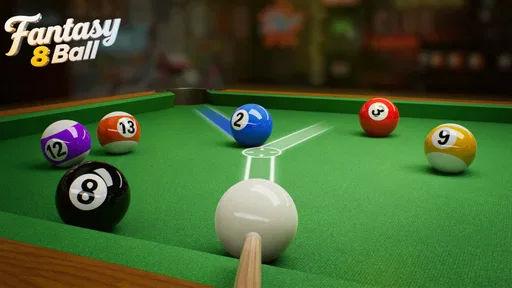
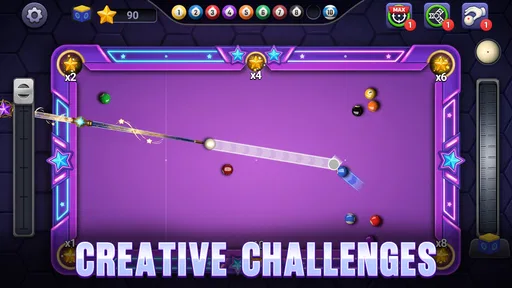
I spent my first sessions with Fantasy 8 Ball expecting a familiar mobile pool game, but its presentation gives the basic idea a more playful, polished setting. It is a free sports game from XBORDER PTE. LTD. built around 3D eight-ball pool, with a fantasy-leaning visual style rather than the plain table-and-balls look found in many traditional billiards apps. The central appeal is easy to understand: line up a shot, control the cue, and enjoy a quick match without needing to learn a complicated ruleset first.
That simplicity is exactly why it is easy to recommend for short breaks. I can open it when I have only a few minutes, take a couple of shots, and leave without feeling that I have abandoned a long campaign. At the same time, the question is whether the attractive first impression turns into a game I would still choose after the novelty wears off. My answer is cautiously positive, especially for casual players, although people looking for a serious pool simulator or a deep competitive routine should approach it with different expectations.
From an attractive first week to a lasting pool habit
I look at the first week as a useful test, not a promise that every session will stay fresh: the early appeal comes from learning the table and finding a comfortable aiming rhythm. To judge whether that becomes a lasting pool habit, I’d pay attention to which small goals keep me coming back, and whether the game remains enjoyable when I play without spending.
Why the opening sessions work
The first-week appeal comes from the combination of recognizable rules and a more imaginative atmosphere. Pool is already understandable: solids, stripes, the eight ball, and the need to think about position. The fantasy presentation adds personality without changing the fact that every turn is about reading angles and deciding how ambitious the next shot should be. That balance makes the game approachable for someone who has never played a dedicated billiards title, while still giving an experienced player something familiar to handle.
I particularly like the low commitment of each session. This is not the kind of sports game that asks me to remember a large roster, manage a complicated team, or learn several control schemes before I can enjoy it. The basic loop is immediate. I look at the table, judge the path, adjust the aim, and decide whether to play safely or attempt a more difficult clearance. That creates a satisfying rhythm for commuting, waiting rooms, or the few minutes before bed.
The 3D viewpoint also matters more than the short description might suggest. A pool table needs depth and perspective to feel convincing, and the visual angle helps me judge whether a shot is genuinely open or merely appears open from a flattering position. I still need patience on difficult layouts, but the game presents the table as an object I can study rather than as a flat puzzle. For a casual title, that extra sense of space gives ordinary shots more presence.
My practical advice for the first sessions is to resist the urge to play every shot aggressively. The most useful early habit is to plan the ball after the ball I am currently targeting. A successful pot can leave an awkward next position, while a slightly less dramatic shot can keep the table under control. This is one of the places where the game becomes more rewarding than a simple reflex game: the best decision is often the one that preserves options.
Who will enjoy it quickly
Fantasy 8 Ball is a good fit for players who want pool without the weight of a large sports franchise. It suits someone who enjoys aiming games, relaxed competitive play, and visually distinctive mobile experiences. It is also a reasonable choice for a family device because its content rating is Everyone, and the concept is easy to explain to a new player. A parent, younger player, or casual friend can understand the goal almost immediately, even if they need practice to control the cue consistently.
The game is also useful as a low-pressure introduction to billiards strategy. It encourages basic lessons that transfer to real table play: leave a workable angle, avoid blocking your own route, and think about where the cue ball will finish. I would not treat it as a replacement for practicing with a physical cue, because touch controls and a real table are different experiences, but it does make those ideas more approachable than a rule-heavy tutorial would.
There is a quieter use case too. When I want something interactive but do not have the attention for a long adventure or a demanding action game, a few pool turns provide a compact mental reset. The game asks for enough concentration to keep me engaged, but not so much that a short interruption ruins everything. That makes it more reusable than many novelty-driven mobile games whose main attraction is exhausted after the first evening.
Where the first impression can mislead
The attractive setting should not be confused with unlimited variety. The basic activity remains pool, and pool depends on repeated table situations. If you need constant new mechanics, story progression, or a broad collection of sports, the fantasy theme alone will not keep the experience fresh. The presentation gives the familiar format a stronger identity, but it does not turn every match into a fundamentally different game.
Players who want tournament-level realism may also prefer a more specialized billiards simulator. A serious alternative can be better when the priority is precise physics, detailed rule options, or a competitive environment built around long-term rankings. Fantasy 8 Ball feels more comfortable as an accessible mobile game than as a digital substitute for a professional practice table. That distinction is important before spending time or money on it.
What remains useful after the novelty fades
The strongest recurring value is the short-session structure. I can use it as a daily aiming exercise, a quick way to unwind, or a casual challenge to share with someone nearby. Pool naturally creates small goals without requiring a separate checklist: clear the table, avoid a foul, recover from a poor position, or finish a difficult sequence. Those goals are modest, but they are enough to make another session feel purposeful.
A useful monthly routine would be to play in focused bursts rather than leaving the game open for long stretches. I get more from it when I set a small objective, such as practicing controlled shots or trying to improve decision-making, instead of chasing endless matches without reflection. This approach also reduces the risk of the game becoming background tapping. The table rewards attention, so treating each turn as a deliberate choice keeps the core loop alive.
The game’s audience size suggests that it has already attracted a substantial group of players: it has passed 500 thousand installs and holds a 4.7 average from around 8.7 thousand ratings. Those figures do not guarantee that every player will enjoy the same aspects, but they do make the title feel more established than an obscure experiment. I would still judge it on personal fit rather than popularity, especially because casual pool games can divide players between those who enjoy repetition and those who need constant progression.
Keeping the game comfortable over time
Maintenance is relatively light from a player’s point of view. There is no large character collection or complex team to organize, so I do not need to spend time managing a virtual club before playing. The main maintenance task is mental: remembering to play thoughtfully instead of relying on rushed aim. If I return after a break, my first few shots may feel less controlled, but the rules are familiar enough that I can settle back in quickly.
The current version is 0.8.4, and that version label is worth keeping in mind when deciding how much to commit to the game. It presents the experience as something still developing rather than a final, fully settled package. I am comfortable trying it as a free download, but I would be more careful about building a long-term spending habit around any title that is still at this stage. The game can already be enjoyable without treating future changes as guaranteed.
Because the base game is free, the first decision is easy: install it, test the controls, and see whether the aiming feels natural on the device. The more important decision comes later, when optional purchases enter the picture. In-app items range from $0.99 to $99.99 each, which creates a wide gap between a small convenience purchase and a major commitment. I would keep spending modest until I knew that the game had earned a regular place in my routine.
My preferred maintenance rule is simple: only buy something if it improves a habit I already have, not to manufacture motivation. If I am playing several times a week because I genuinely enjoy the tables, a small purchase may feel reasonable. If I am bored and hoping a purchase will make the game exciting again, I would skip it. That distinction protects the long-term value of a casual game better than chasing every available upgrade or cosmetic temptation.
Controls, patience, and the hidden cost of small mistakes
Pool controls can look effortless while hiding a steep difference between a good and a careless shot. Aiming at the object ball is only part of the task. I also need to consider speed, rebound angles, and the cue ball’s final location. On a touchscreen, a tiny adjustment can change the result, so playing quickly is often less efficient than taking an extra moment to line up the attempt. The game rewards calm input more than frantic movement.
One non-obvious strength is that a miss can still teach me something if I pay attention to the result. Instead of simply blaming the aim, I can ask whether the angle was wrong, the power was excessive, or the intended position was too ambitious. That makes each failed turn useful practice. It is a better way to play than restarting mentally after every mistake, because the game’s long-term appeal depends on gradually improving judgment rather than expecting every shot to succeed.
Another practical tip is to treat defensive positioning as a valid success. New players often focus only on sinking a ball, but leaving the cue ball in a safe area can be more valuable than attempting a low-percentage pot. When the table is crowded, I prefer a controlled shot that opens the next decision over a spectacular attempt that could create a foul or hand over an easy opportunity. This turns the game from simple aiming into a small exercise in risk management.
What can cause fatigue after repeated play
The first source of fatigue is repetition. Even with distinctive 3D surroundings, the player repeatedly returns to the same fundamental sequence: inspect, aim, strike, and prepare again. That is satisfying when I am in the mood for focused repetition, but it can feel narrow during a longer session. I would not recommend forcing myself to play for hours. The game works better as a recurring snack than as an all-evening replacement for a larger sports title.
A second source is the emotional imbalance between a clean run and a single careless error. Pool gives mistakes a long shadow. One poor position can spoil several good decisions, and a rushed shot near the end of a game feels especially frustrating. That tension is part of the sport, but players who prefer constant forward progress may find it tiring. Taking a break after a frustrating match is more productive than immediately trying to recover the loss while annoyed.
Monetization can become another point of friction. The free entry is welcoming, but the broad in-app purchase range means players should decide their own limits before spending. I would be wary of turning a short relaxation game into a source of pressure to buy. The most sustainable approach is to enjoy the core play first and regard purchases as optional extras rather than requirements for proving skill or maintaining interest.
There is also a difference between visual appeal and mechanical depth. The fantasy presentation makes the game more memorable than a completely plain pool app, but atmosphere cannot replace new strategic situations forever. If a player’s main goal is serious training, a more technical simulator may provide better value. If the goal is a friendly, attractive, easy-to-start pool experience, the style is an advantage rather than a distraction.
How it compares with ordinary alternatives
Compared with a physical pool table, this game wins on convenience and loses on tactile feedback. I can play it anywhere, but I do not get the weight of the cue, the resistance of the cloth, or the social atmosphere of standing around a real table. Compared with a traditional digital billiards simulator, it is more inviting and visually expressive, but it may not satisfy someone who wants every aspect of the sport represented with maximum realism.
Compared with a generic arcade game, it asks for more patience and planning. The best results do not come from tapping quickly or reacting to moving targets. Compared with a large competitive sports game, it is much easier to start and maintain, but it offers a narrower activity. Those trade-offs make the choice fairly clear: choose this when you want focused pool in compact sessions, and choose another option when you need broad modes, deep team management, or a highly formal competitive ladder.
Device fit and practical expectations
The game supports Android 7.0 and later, which makes it accessible on a wide range of devices. Still, a 3D pool table benefits from a screen that gives me enough room to judge angles comfortably. On a very small display, fine adjustments may feel less forgiving, especially when I am trying to plan a precise cue-ball position. I would test the controls before considering any purchase, because comfort and accuracy matter more here than simply being able to launch the game.
The Everyone age rating makes it easy to consider for shared household use, but I would still explain the purchase system to younger players before handing over the device. The game itself is straightforward to understand, while optional spending is a separate responsibility. A simple rule about asking before buying is enough to preserve the relaxed nature of the experience.
My long-term verdict
After the first-week excitement settles, Fantasy 8 Ball remains worthwhile when I treat it as a compact pool habit rather than an endlessly expanding sports platform. Its strongest qualities are immediate access, attractive 3D presentation, familiar rules, and enough tactical decision-making to reward patience. I can imagine returning to it regularly for short matches, especially when I want something calmer than an action game but more engaging than passive entertainment.
It is not the right choice for everyone. I would point a realism-focused player toward a dedicated billiards simulator, and I would suggest a broader sports game to anyone who needs several disciplines and a larger progression system. Players who dislike repeated matches or feel uncomfortable with optional purchases should also be cautious. The game’s free entry makes trying it easy, but lasting value depends on whether the basic table loop already feels satisfying without requiring constant extras.
For me, the deciding factor is that the game gives ordinary pool decisions enough visual character to invite repeat visits, while keeping each session short enough to fit real life. The best way to approach it is to play deliberately, set a personal spending boundary, and stop when the table starts feeling like work. With that mindset, the free price and accessible design make it an easy recommendation for casual sports fans. Its lasting appeal comes from repeatable concentration, not from pretending that every match is a new adventure.
Verdict
Strengths of Fantasy 8 Ball: Pool Billiards
- Simple controls make it easy for beginners to start playing.
- Quick matches are suitable for short gaming sessions.
- Pool physics feel responsive during regular shots.
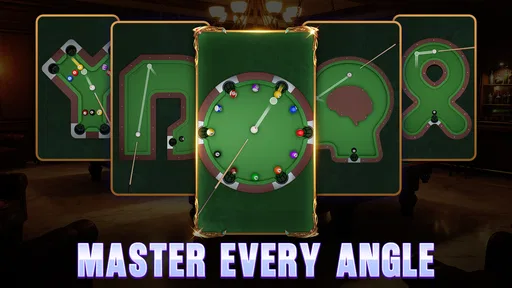
- Different tables add visual variety to the gameplay.
- Offline play can be useful when no internet is available.
Limitations of Fantasy 8 Ball: Pool Billiards
- Some features may be locked behind ads or in-app purchases.
- Computer opponents can feel predictable after extended play.
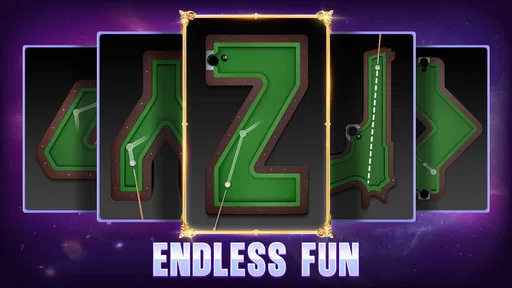
- Limited game modes may reduce long-term variety.
- Ads can interrupt the experience between matches.
- Progression may feel slow without spending virtual currency.
Similar Picks in This Category
View All
8 Ball Pool
Miniclip.com4.8

Pooking - Billiards City
AIM TOP GAME TECHNOLOGY LIMITED - pool4.6

Carrom Pool: Disc Game
Miniclip.com4.4

EA SPORTS FC Soccer Mobile 26
ELECTRONIC ARTS4.6

World Soccer League
mobirix4.3

Soccer Cup 2026: Football Game
INLOGIC SPORTS - football tennis golf soccer4.3
Frequently Asked Questions
What is Fantasy 8 Ball: Pool Billiards?
Fantasy 8 Ball: Pool Billiards is a mobile billiards game focused on 8-ball pool matches with a colorful, fantasy-inspired presentation. Players can practice their aiming, control cue power and spin, and compete in different table-based challenges. The game is designed for casual sessions, although improving your accuracy and learning bank shots may require patience and regular practice.
Is Fantasy 8 Ball: Pool Billiards free to download and play?
The game can generally be downloaded and started without an upfront purchase, allowing players to try the basic billiards experience at no initial cost. However, availability of optional ads, in-game currency, cosmetic items, or other purchases may vary depending on the version and platform. Before downloading, check the store listing for current pricing, in-app purchase details, and any restrictions.
Can I play Fantasy 8 Ball: Pool Billiards offline?
Some parts of Fantasy 8 Ball: Pool Billiards may be playable without a constant internet connection, particularly practice sessions or selected single-player content. Online competitions, rankings, account features, advertisements, and reward systems may require connectivity. If offline access is important to you, test the game after disabling mobile data and Wi-Fi, since available modes can differ between updates and devices.
Does the game support multiplayer matches?
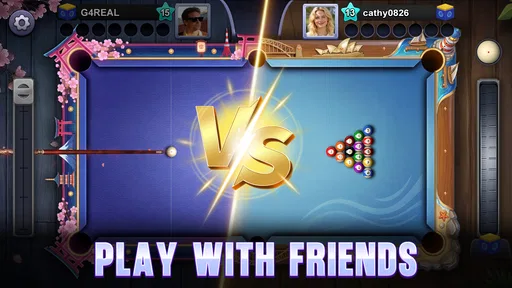
Fantasy 8 Ball: Pool Billiards may include competitive features that let players challenge other users or participate in online-style events, depending on the version installed. Multiplayer functions usually require an internet connection and can be affected by matchmaking availability, server conditions, and regional support. Review the in-game menus and current store description to confirm which multiplayer modes are available.
Is Fantasy 8 Ball: Pool Billiards suitable for beginners?
The game is generally approachable for newcomers because its core controls are based on familiar pool mechanics: aim the cue, adjust shot strength, and strike the cue ball. Beginners should still expect a learning period while mastering angles, spin, and power control. Practice rounds can help new players build confidence before entering more competitive matches or spending any in-game currency.
Play our best games!


